Trading, Simple Strategies for Effective Market Success
Need articles like this for your video? They help promote it on YouTube and Google — order them in the Telegram bot @sat_sit_bot. It writes articles around your video, embeds the video and publishes them on popular niche websites (no ads). Your first 50 articles are free.
· based on the channel Tori Trades
Key takeaways
- Trading does not require an economics degree or advanced math skills.
- Trendlines and liquidity concepts form the core of a simple trading system.
- Managing risk with appropriate stop losses is crucial in futures trading.
- Real-time trade tracking and broker choice impact trading success.
- Trading involves risk; personal research and discipline are essential.
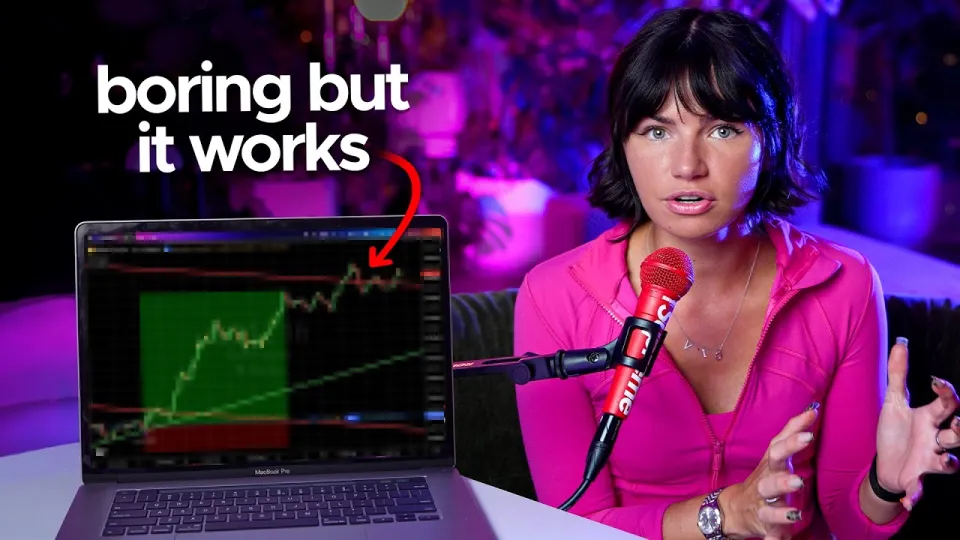
Trading is often perceived as a complex activity requiring extensive financial education and advanced math skills. However, effective trading can be surprisingly simple, relying on clear strategies, disciplined risk management, and consistent execution. This article outlines a straightforward approach to trading, inspired by the methods shared by Tori Trades, a professional futures trader who emphasizes simplicity and practicality in the market.
What Is Trading and Why Keep It Simple?
Trading involves buying and selling financial instruments like stocks, futures, or forex to profit from price movements. The key to successful trading is not complicated formulas but a clear, repeatable system that anyone can follow. Tori Trades demonstrates that you don't need a finance degree or complex technical knowledge to trade futures effectively; instead, focus on understanding market structure, trendlines, and risk management.
Building a Simple Trading System
The foundation of a simple trading system includes:
- Identifying the Trend: Use trendlines to visualize market direction. Drawing these lines on price charts helps determine when the market is trending up or down.
- Entry and Exit Rules: Enter trades near trendline bounces and exit when the trend shows signs of reversal or when price reaches predefined targets.
- Stop Loss Placement: Place stop losses just beyond the trendline to limit losses if the market moves against you.
- Trade Size and Risk: Control the number of contracts or shares to manage risk exposure effectively.
This approach avoids complex indicators, focusing instead on price action and market psychology.
Managing Risk and Volatility
Trading futures, such as gold or oil, can be highly volatile. Sudden price swings can occur within seconds, which requires active trade management and quick decision-making. To manage this:
- Always use stop losses to prevent large drawdowns.
- Monitor trades actively, especially in volatile markets.
- Be prepared to exit quickly if the market moves unexpectedly.
- Keep position sizes manageable to withstand sudden moves.
Effective risk management separates professional traders from amateurs.
Common Questions and Misconceptions in Trading
Many new traders ask about stop loss placement and how to react to changing market conditions. For example:
- Stop Loss Distance: Stops are typically placed just beyond the trendline or recent swing lows/highs to avoid premature exit.
- When to Enter New Trades: If a candle closes green and moves above the trendline after a pullback, this can be a signal for a new entry.
- Market Differences: Trading futures differs from stocks; futures can be more volatile and require different strategies, including more active trade management.
Understanding these nuances prevents common mistakes and improves trading discipline.
Tools and Resources for Traders
Successful trading also depends on using the right tools:
- Charting Platforms: TradingView is popular for drawing trendlines and testing strategies.
- Trade Tracking Software: Platforms like TradeZella help monitor and analyze trades systematically.
- Reliable Brokers: Tradestation offers futures trading with reliable execution and good support.
These resources help implement and refine a simple, effective trading plan.
Useful Links
- Join the waitlist for exclusive trading insights: https://go.toritradez.com/waitlist-1009
- Track your trades like a pro with TradeZella: https://www.tradezella.com/?via=victoria (Use code TORI20 for a discount)
- Start trading futures with Tradestation: https://www.tradestation.com/promo/toritrades/
Conclusion
Trading success does not require complex strategies or advanced degrees. By focusing on simple, clear methods like trendline analysis, disciplined risk management, and using reliable tools, traders can improve their performance. The approach highlighted by the Tori Trades channel shows that trading really can be this simple, accessible, and effective. To deepen your understanding and join a community of like-minded traders, consider joining the Tori Trades waitlist at https://go.toritradez.com/waitlist-1009.
Source: Unfortunately, trading really is this simple · Markdown version
Questions & answers
Do I need advanced math or an economics degree to start trading effectively?
No, effective trading can be achieved without advanced math or formal economics education. Focus on learning simple strategies like trendlines, risk management, and consistent trade execution.
How should I place my stop losses when trading futures?
Stop losses are typically placed just beyond key trendlines or recent swing points to protect capital without getting stopped out prematurely due to normal market fluctuations.
What makes futures trading different from stock trading?
Futures markets can be more volatile and require more active management. Unlike stocks, futures involve contracts that expire and often have higher leverage, so risk management is especially important.
How can I manage sudden volatility in markets like gold?
Active monitoring is essential. Use stop losses, keep position sizes manageable, and be prepared to exit trades quickly to limit losses during sudden, unpredictable price spikes.